
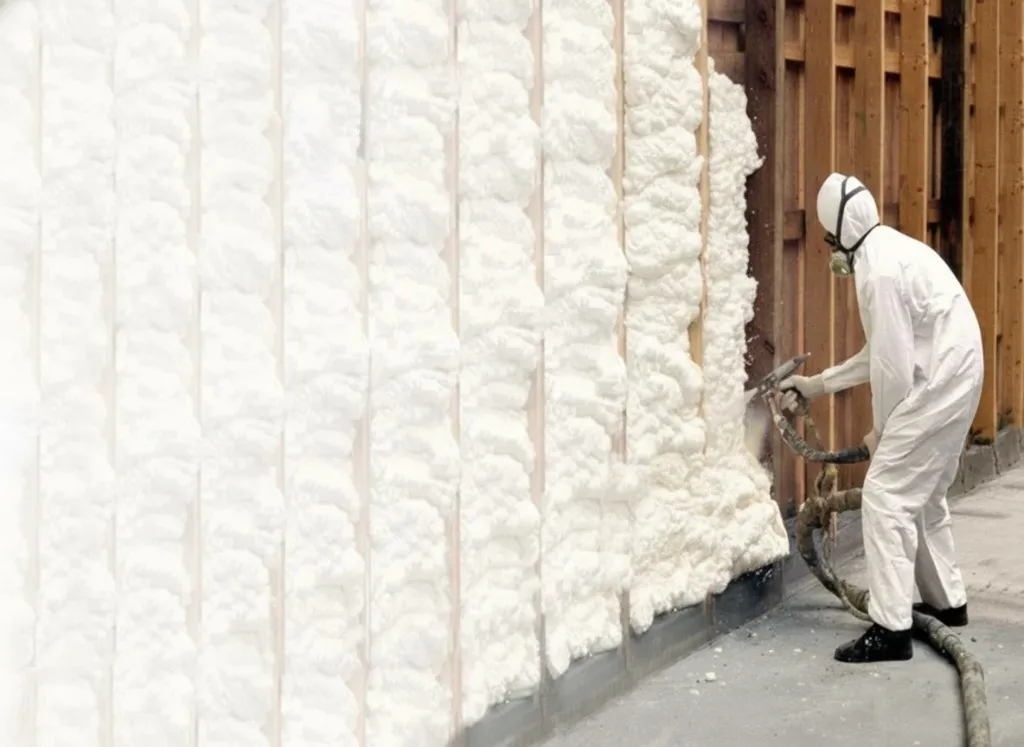
Spray Foam Insulation in Wichita, KS
Spray foam insulation helps reduce uncontrolled air movement in attics, walls, roof decks, shops, and commercial assemblies when it is the right fit for the building.
A tighter envelope for Wichita buildings
Wichita buildings deal with more than one season. Hot summer afternoons, windy fronts, cold winter nights, and humid stretches can all expose leaks in the building envelope.
Spray foam can insulate and help air-seal in the same application. That makes it useful around irregular framing, roof decks, rim areas, metal structures, and other spaces where gaps and transitions matter.
The right foam type and installation area still depend on the assembly. A good estimate starts with the building, not a one-size-fits-all recommendation.
If you are comparing options, the spray foam decision guide explains how insulation and air control differ.
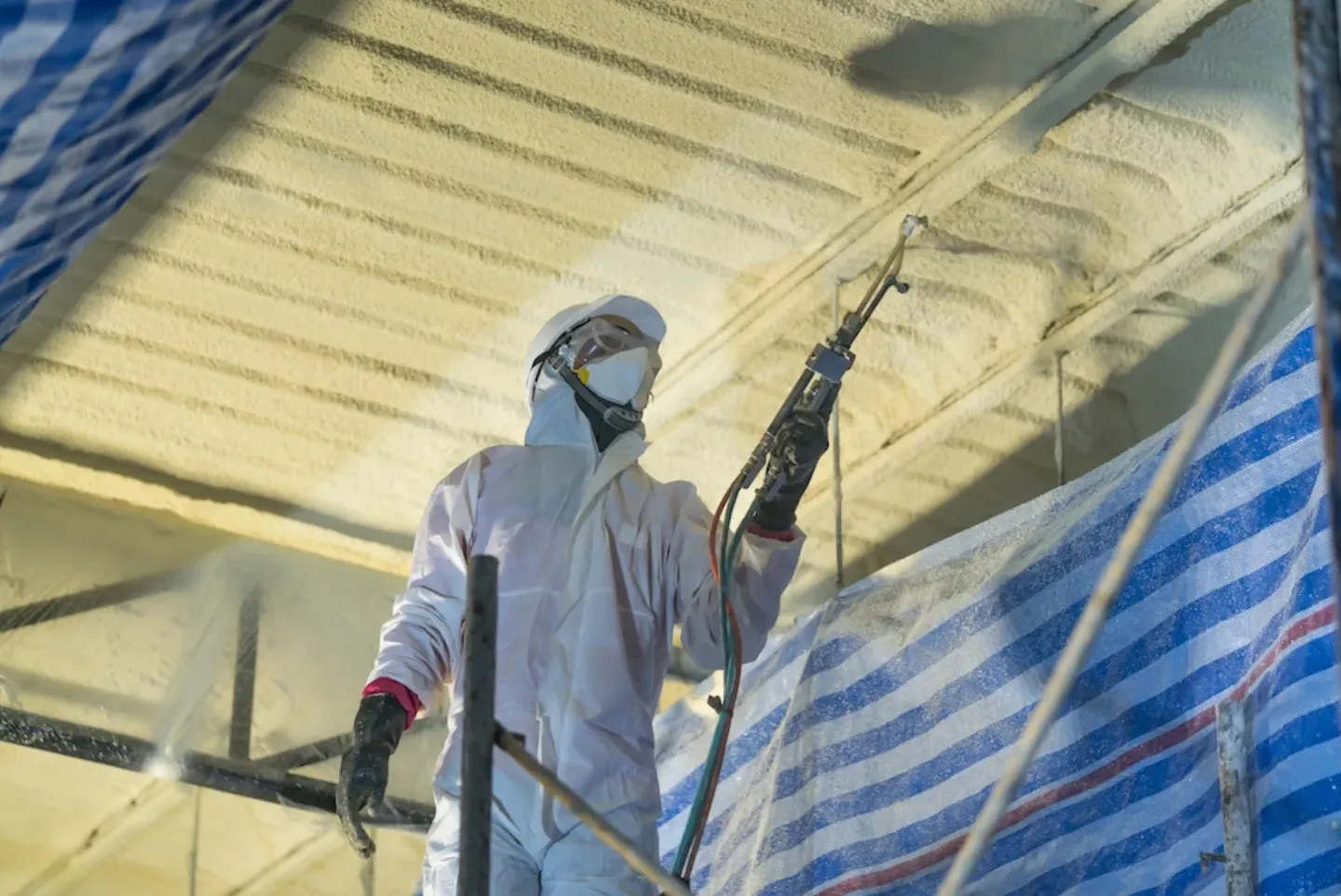
Where spray foam often makes sense
Attics or roof decks with air leakage concerns
Worth discussing during an estimate when comfort, air movement, material fit, or project sequencing matter.
Open wall cavities in additions or remodels
Worth discussing during an estimate when comfort, air movement, material fit, or project sequencing matter.
Metal buildings, shops, and work spaces
Worth discussing during an estimate when comfort, air movement, material fit, or project sequencing matter.
Rim joists and difficult framing transitions
Worth discussing during an estimate when comfort, air movement, material fit, or project sequencing matter.
Commercial assemblies that need careful air control
Worth discussing during an estimate when comfort, air movement, material fit, or project sequencing matter.
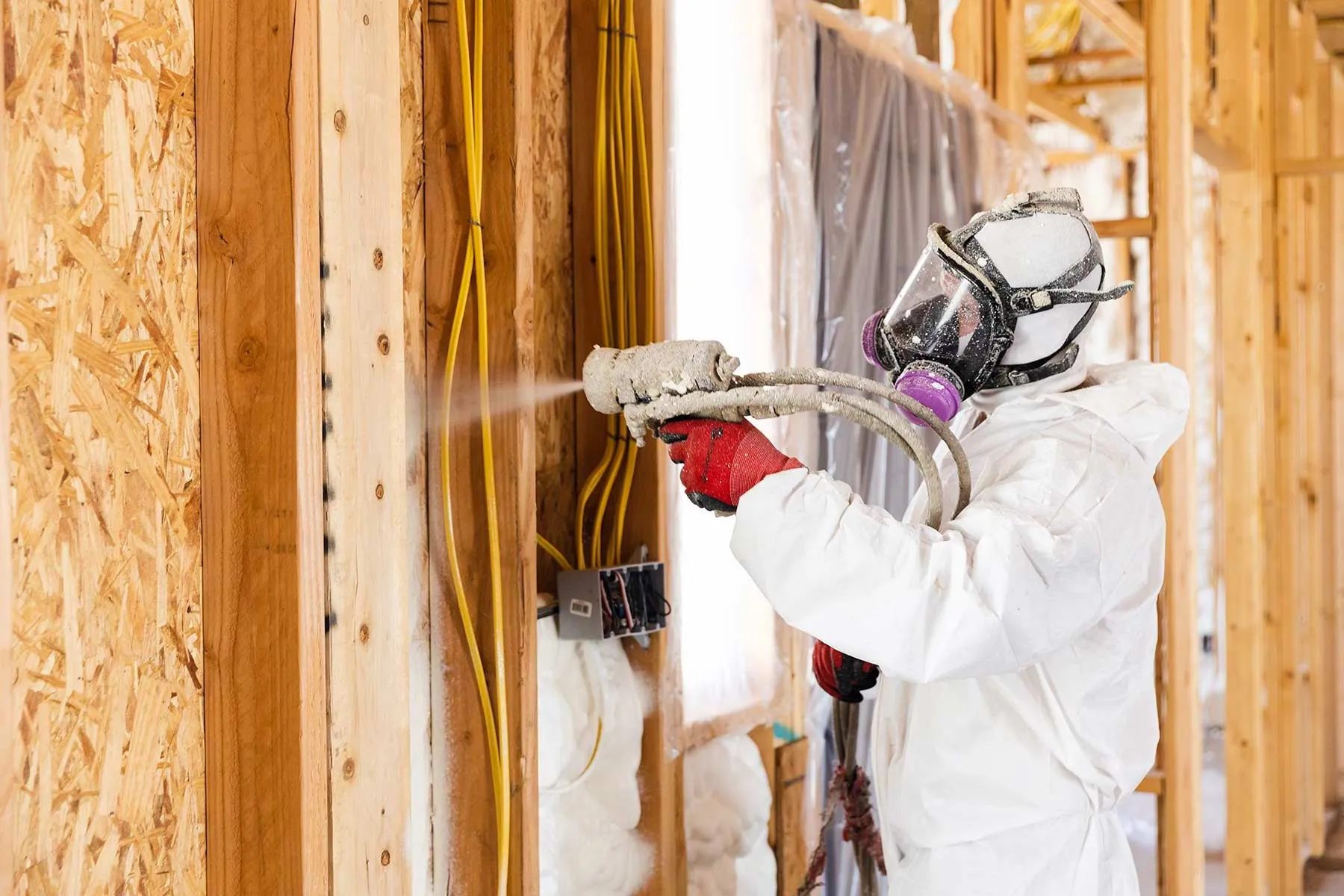
Open-cell, closed-cell, or another approach
Open-cell and closed-cell foam behave differently. Density, moisture strategy, available depth, budget, and code requirements all affect the recommendation. In some spaces, another insulation approach may be a better fit.
What affects scope and cost
- Square footage and access
- Foam type and installed depth
- Existing insulation or prep needs
- Retrofit work versus open construction
- Detail work around penetrations and transitions
What Happens During the Work
Review the assembly and project goal
The exact plan depends on the material, access, and confirmed project scope.
Protect the work area before application
The exact plan depends on the material, access, and confirmed project scope.
Apply foam to the agreed areas
The exact plan depends on the material, access, and confirmed project scope.
Review coverage, transitions, and cleanup
The exact plan depends on the material, access, and confirmed project scope.
Spray Foam Insulation FAQ
Is spray foam always the best insulation choice?
No. Spray foam is useful when insulation and air control both matter, but the right answer depends on the building, the assembly, and the project goal.
Can spray foam be used in an existing home?
Often, yes. Existing attics, rim areas, and some remodel conditions can be candidates. Access and the current assembly determine what is practical.
What affects spray foam cost?
Cost depends on area, foam type, installed depth, access, prep, and how much detail work is required.
Compare the Nearby Options
Most insulation decisions improve when the building is considered as a whole. These related services are often part of the same conversation.
Talk Through the Building Before You Choose Material
Tell Top Tier Insulation Solutions what you are trying to improve. The estimate conversation can start with a basic description of the property.