
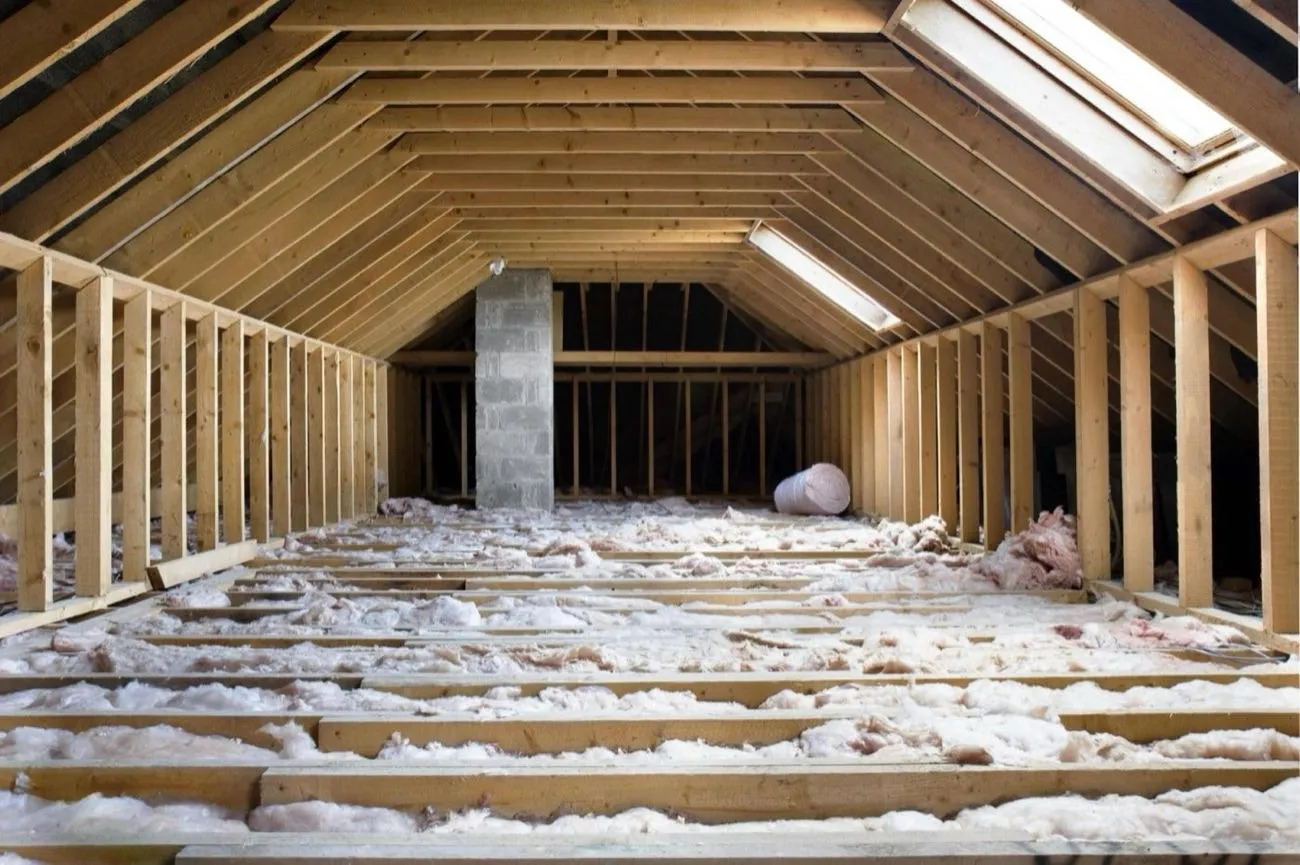
Blown-In Insulation in Wichita, KS
Blown-in insulation can improve attic coverage and fill open areas where loose-fill material is the right fit.
Coverage for broad attic areas
Blown-in insulation is often used to improve open attic areas where coverage depth matters and access allows a clean installation.
It can be a practical option when an attic needs additional insulation but does not require spray foam at the roof deck.
Air sealing and ventilation still matter. Loose-fill insulation works best when the rest of the attic plan is considered.
If you are comparing options, the spray foam decision guide explains how insulation and air control differ.
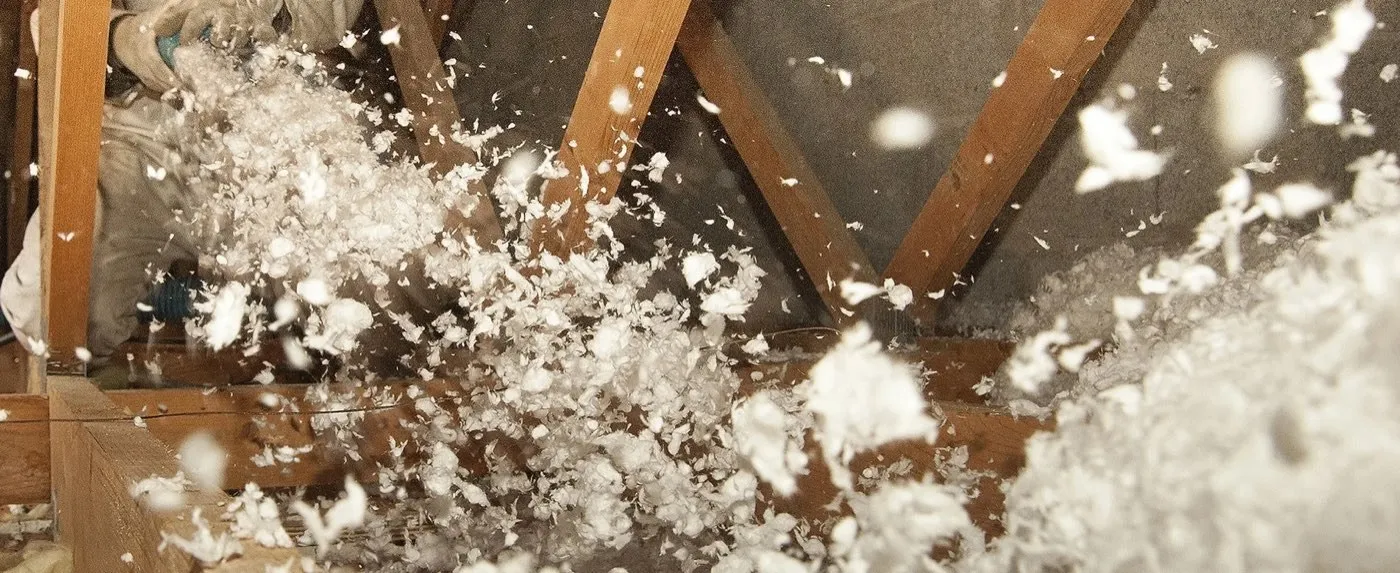
Where blown-in insulation fits
Attic top-offs
Worth discussing during an estimate when comfort, air movement, material fit, or project sequencing matter.
Open attic floors
Worth discussing during an estimate when comfort, air movement, material fit, or project sequencing matter.
Retrofit insulation planning
Worth discussing during an estimate when comfort, air movement, material fit, or project sequencing matter.
Areas with many small cavities or irregular coverage needs
Worth discussing during an estimate when comfort, air movement, material fit, or project sequencing matter.
Projects where spray foam is not the preferred approach
Worth discussing during an estimate when comfort, air movement, material fit, or project sequencing matter.
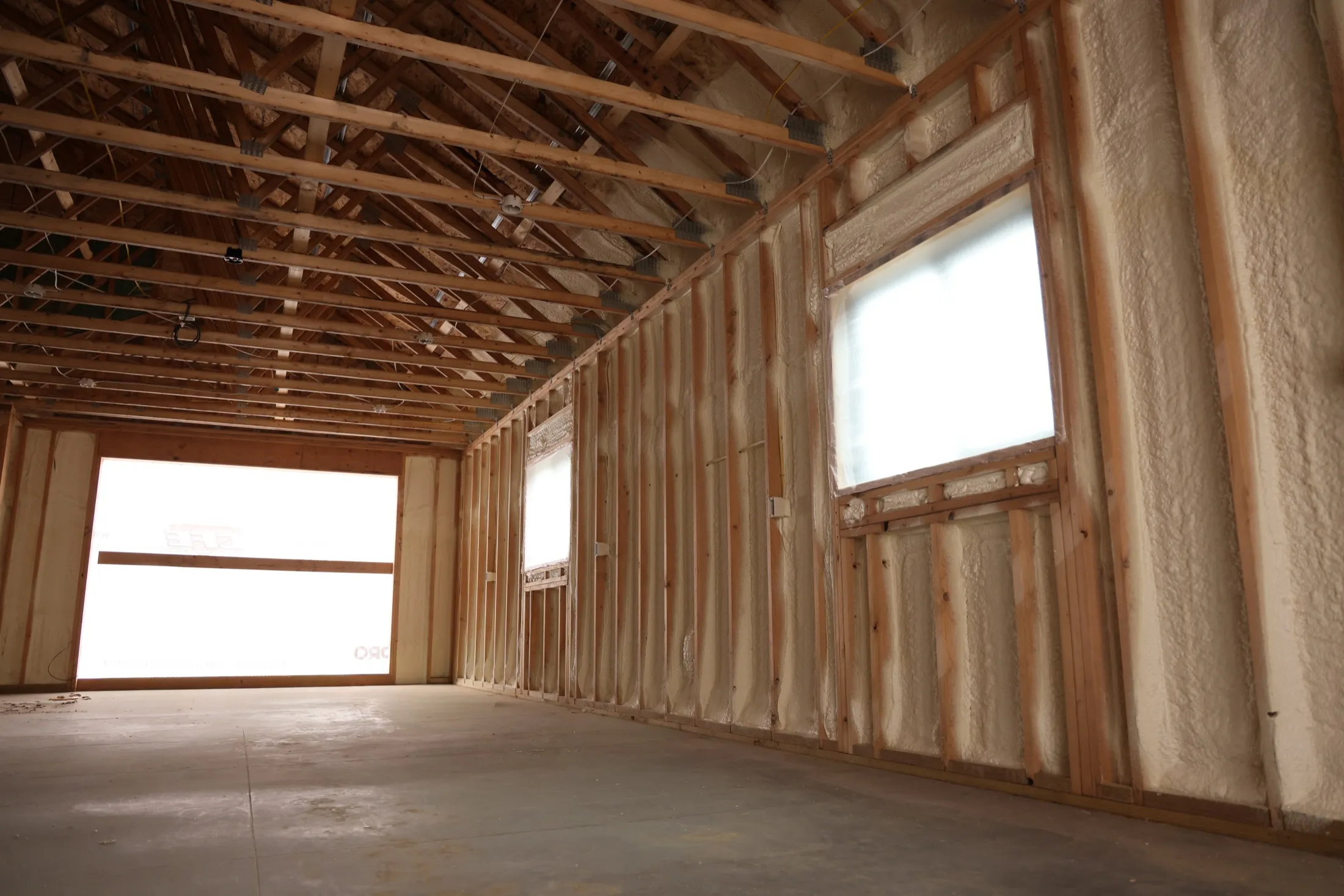
Insulation depth and air leakage are separate questions
Adding depth can improve thermal resistance, but loose-fill insulation is not the same as air sealing. If air leaks are the main issue, the estimate should address those separately.
What affects scope and cost
- Attic square footage
- Target coverage depth
- Existing insulation condition
- Access and clearance
- Air sealing or prep needs
What Happens During the Work
Confirm existing insulation condition
The exact plan depends on the material, access, and confirmed project scope.
Protect access paths and work areas
The exact plan depends on the material, access, and confirmed project scope.
Install material to the agreed coverage
The exact plan depends on the material, access, and confirmed project scope.
Review depth and access points
The exact plan depends on the material, access, and confirmed project scope.
Blown-In Insulation FAQ
Is blown-in insulation only for attics?
It is commonly used in attics, though some wall applications may be possible depending on the construction and access.
Can blown-in insulation be added over existing material?
Sometimes. The existing material needs to be evaluated for condition, moisture, contamination, and depth.
Does blown-in insulation stop air leaks?
It primarily provides thermal insulation. Air leakage may need separate air sealing.
Compare the Nearby Options
Most insulation decisions improve when the building is considered as a whole. These related services are often part of the same conversation.
Talk Through the Building Before You Choose Material
Tell Top Tier Insulation Solutions what you are trying to improve. The estimate conversation can start with a basic description of the property.